


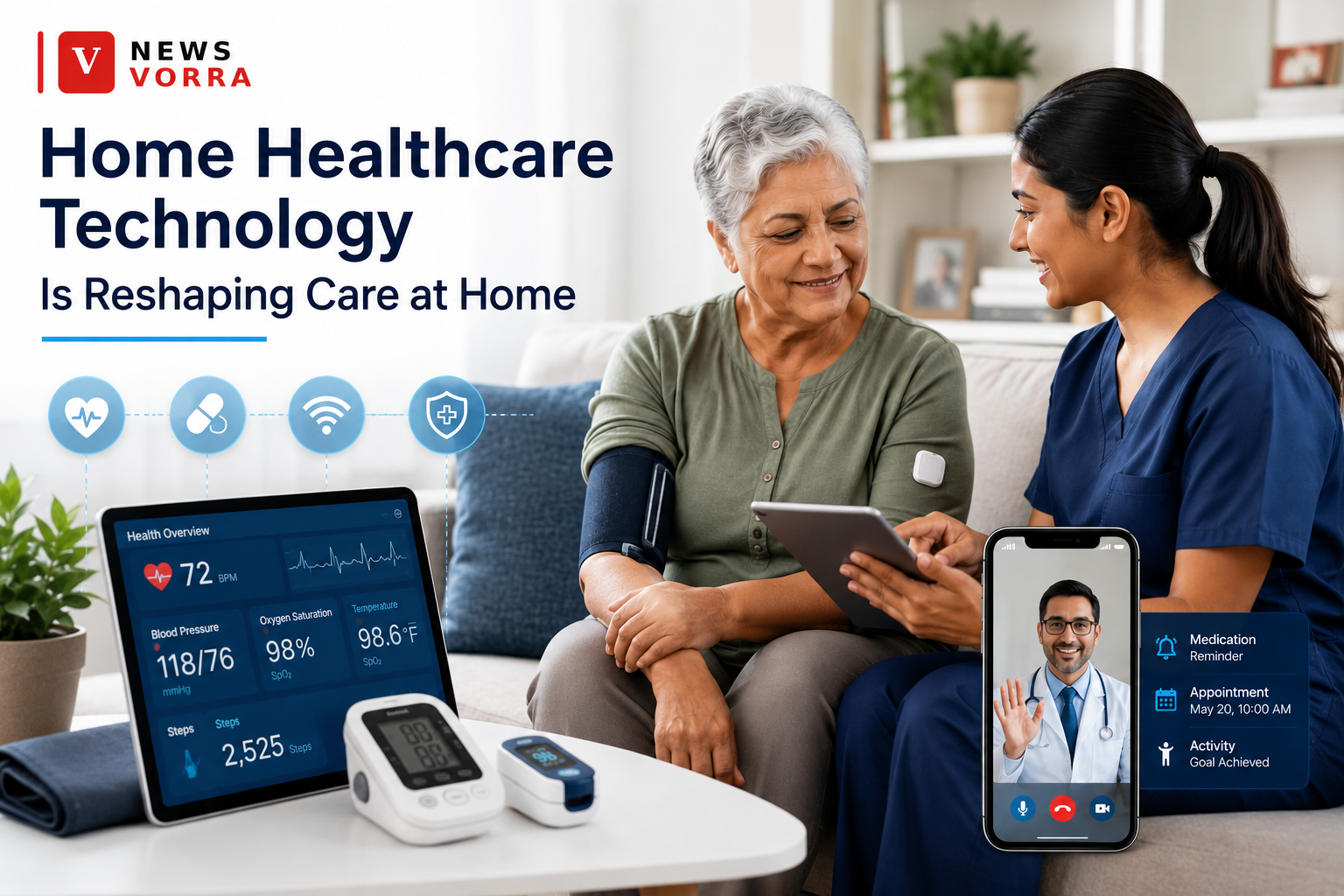
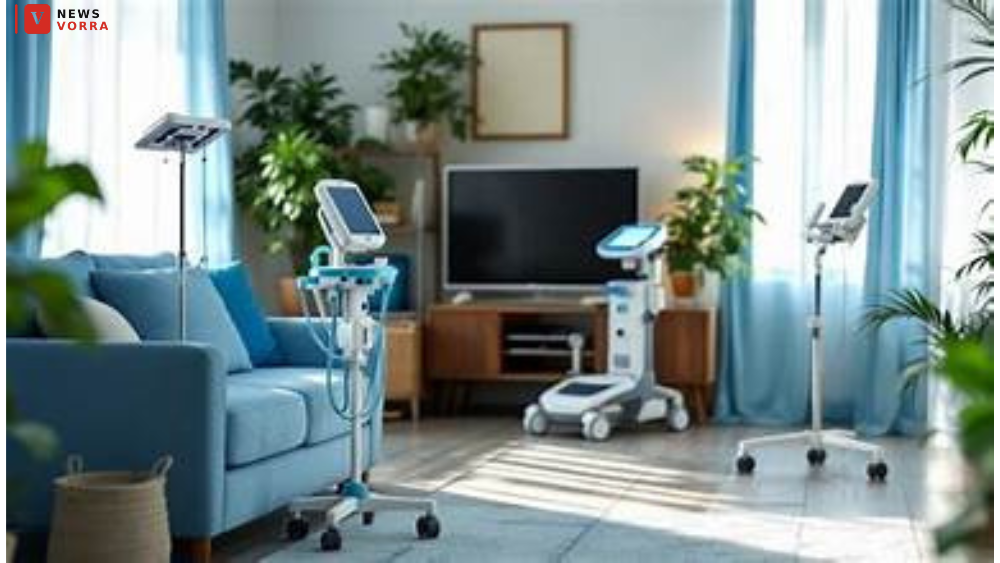
Home healthcare technology — powered by advances in artificial intelligence, remote monitoring, and wearable devices — is enabling Americans to receive complex medical care in their own homes.
The global home health technology market is on track to reach nearly $493 billion by 2026, driven by an ageing population and surging demand for continuous, personalised care. This shift is reducing hospital admissions, lowering costs, and placing greater control of health outcomes in the hands of individual patients.
How Technology Is Reshaping Healthcare at Home
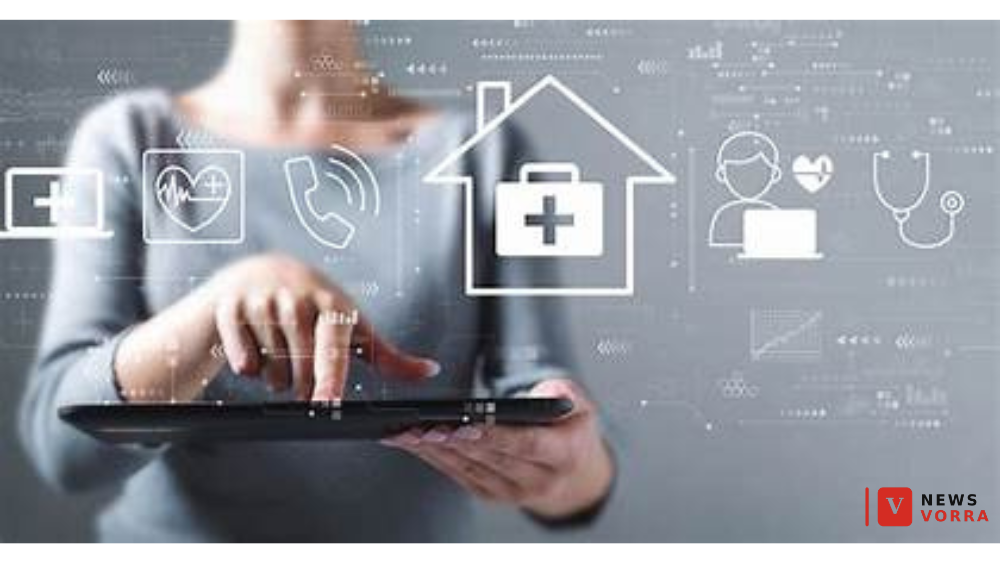
A wave of AI-powered devices and remote monitoring platforms is moving routine and chronic care out of clinics and into people’s living rooms — with significant implications for patients and providers alike.
What Is Happening
A convergence of artificial intelligence, connected wearables, and remote patient monitoring (RPM) platforms is making it possible to manage chronic conditions, post-operative recovery, and preventive care entirely from home.
Devices that once required hospital-grade equipment — from continuous glucose monitors to cardiac rhythm sensors — are now available as consumer-facing tools that feed data directly to clinical teams.
Healthcare technology company Medtronic confirmed in early 2026 that some of its pulse oximeters already use AI to improve the accuracy of blood oxygen readings, describing the broader shift as healthcare moving toward “more interconnected technology” with demand for data that can predict outcomes.
Why It Matters for Americans
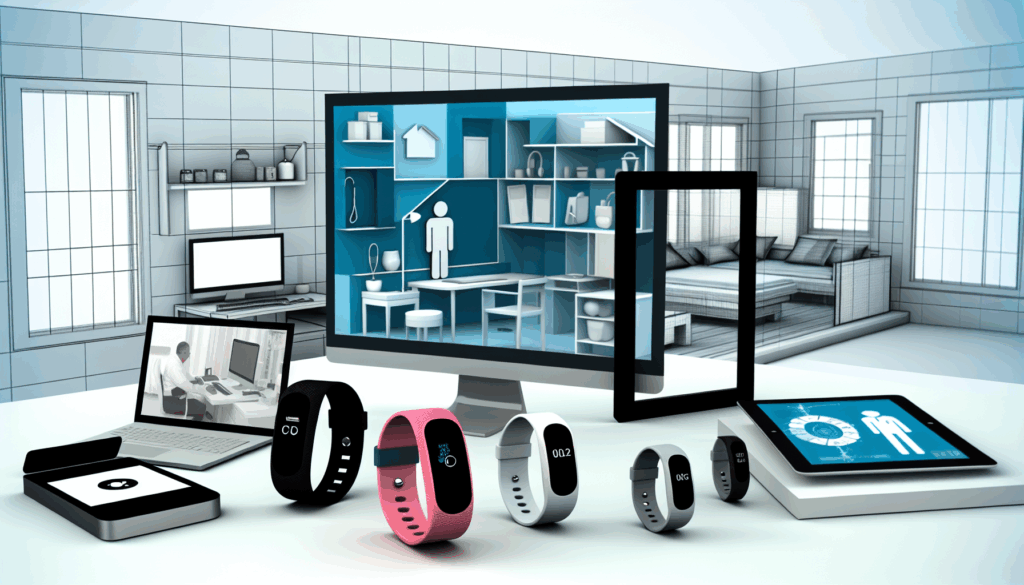
For US patients — particularly in rural and underserved communities — the expansion of at-home healthcare technology addresses a longstanding access gap. Individuals who previously faced long travel times to specialist appointments can now receive consultations via AI-assisted video platforms, with monitoring data transmitted in real time.
There are also significant financial implications. Deloitte’s 2026 Life Sciences and Health Care Outlook warns that health systems in the United States could lose up to $54.5 billion over the next decade if they fail to offer virtual health options that consumers now expect.
For patients, the financial benefit is equally direct: in-home monitoring reduces costly emergency admissions and repeat hospitalisations for chronic conditions such as hypertension, diabetes, and heart failure.
Background & Context
Telehealth adoption accelerated sharply during the COVID-19 pandemic, when in-person consultations became impractical for millions of Americans. That emergency-driven uptake has since solidified into a structural shift.
According to data compiled by Tech, 77 per cent of Americans now view telehealth as the future of healthcare delivery — a significant increase from pre-pandemic surveys.
Remote patient monitoring, once used primarily for post-surgical follow-up, is now evolving into a continuous, proactive care model for conditions that were previously managed only in clinical settings.
Expert View
“Healthcare is trending toward more interconnected technology, and there’s a demand for data to predict outcomes.”— Nancy Brainerd, Senior Engineering Director, Product Security Office, Medtronic (June 2026)
The AI-driven diagnostic tools embedded in home devices are also advancing at pace. Fortune Business Insights projects the global AI in healthcare market to grow from $39.25 billion in 2025 to $504.17 billion by 2032 — a compound annual growth rate of 44 per cent.
US private investment in AI reached $109.1 billion in 2024 alone, nearly twelve times higher than China’s $9.3 billion, according to the 2025 AI Index Report published by Stanford University.
Analysts at digital health research firm Trinetix note that AI is being used beyond diagnostics, with pharmaceutical companies now deploying generative AI to accelerate early-stage drug discovery — a process that previously took decades and hundreds of millions of dollars, and can now be compressed significantly using AI-driven molecular simulation.
What Happens Next
Industry analysts expect 2026 and 2027 to be pivotal years for the mainstreaming of home healthcare technology. Regulatory bodies including the US Food and Drug Administration (FDA) are expected to update guidance around AI-assisted diagnostics and data-sharing standards, as frameworks such as FHIR (Fast Healthcare Interoperability Resources) and TEFCA (Trusted Exchange Framework) become baseline requirements for digital health providers.
Observers will be watching for greater integration between consumer health wearables — such as smartwatches capable of detecting atrial fibrillation — and formal clinical workflows.
The degree to which insurers and Medicare programmes expand reimbursement for remote monitoring services will also shape the pace of adoption, particularly for lower-income households.
People Also Ask
What is remote patient monitoring and how does it work at home?
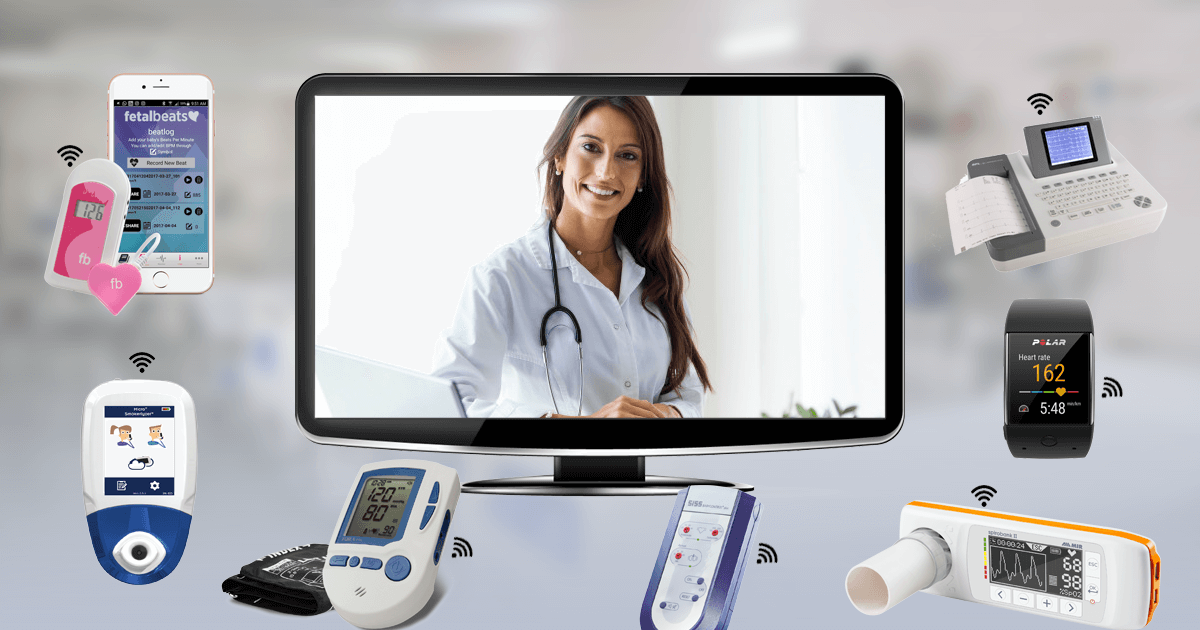
Remote patient monitoring (RPM) uses connected devices — such as blood pressure cuffs, glucose sensors, and pulse oximeters — to collect a patient’s health data in real time and transmit it to their clinical care team.
Doctors and nurses can then track trends, adjust medications, and intervene early without requiring an in-person visit. RPM is now widely used for managing chronic conditions including diabetes, hypertension, and heart disease.
Is AI-powered home healthcare technology covered by insurance in the US?
Coverage varies significantly by insurer and plan type. Medicare has expanded reimbursement for some remote monitoring services, and several private insurers now cover telehealth consultations.
However, coverage for AI-assisted diagnostic devices and continuous monitoring tools remains inconsistent. Patients are advised to check directly with their provider, as policy frameworks are still evolving in line with FDA guidance.
How does at-home healthcare technology benefit rural communities in the US?
Rural Americans often face significant barriers to specialist care, including long travel distances and limited local provision.
Telehealth platforms and remote monitoring devices reduce the need for in-person visits, giving rural patients access to the same quality of consultation available in urban centres.
Studies cited by industry analysts indicate that telehealth adoption has improved care continuity and reduced emergency admissions in underserved rural areas.
Key Facts
- The global home health technology market is projected to reach $493.4 billion by 2026, up from $186.2 billion in 2019, representing a 14.94% compound annual growth rate (Research And Markets).
- 62 percent of Americans currently use telehealth services, with 77 percent viewing it as the future of healthcare, according to data compiled by Harmony HIT.
- Deloitte’s 2026 Life Sciences and Health Care Outlook estimates US health systems could lose $54.5 billion over the next decade by failing to provide virtual health options.
- The global AI in healthcare market is projected to grow from $39.25 billion in 2025 to $504.17 billion by 2032, at a CAGR of 44 percent (Fortune Business Insights).
- US private investment in AI reached $109.1 billion in 2024 — nearly 12 times higher than China’s $9.3 billion and 24 times greater than the UK’s $4.5 billion (Stanford 2025 AI Index Report).
For more updates on healthcare innovation and emerging technologies, visit the NewsVorra homepage.
