


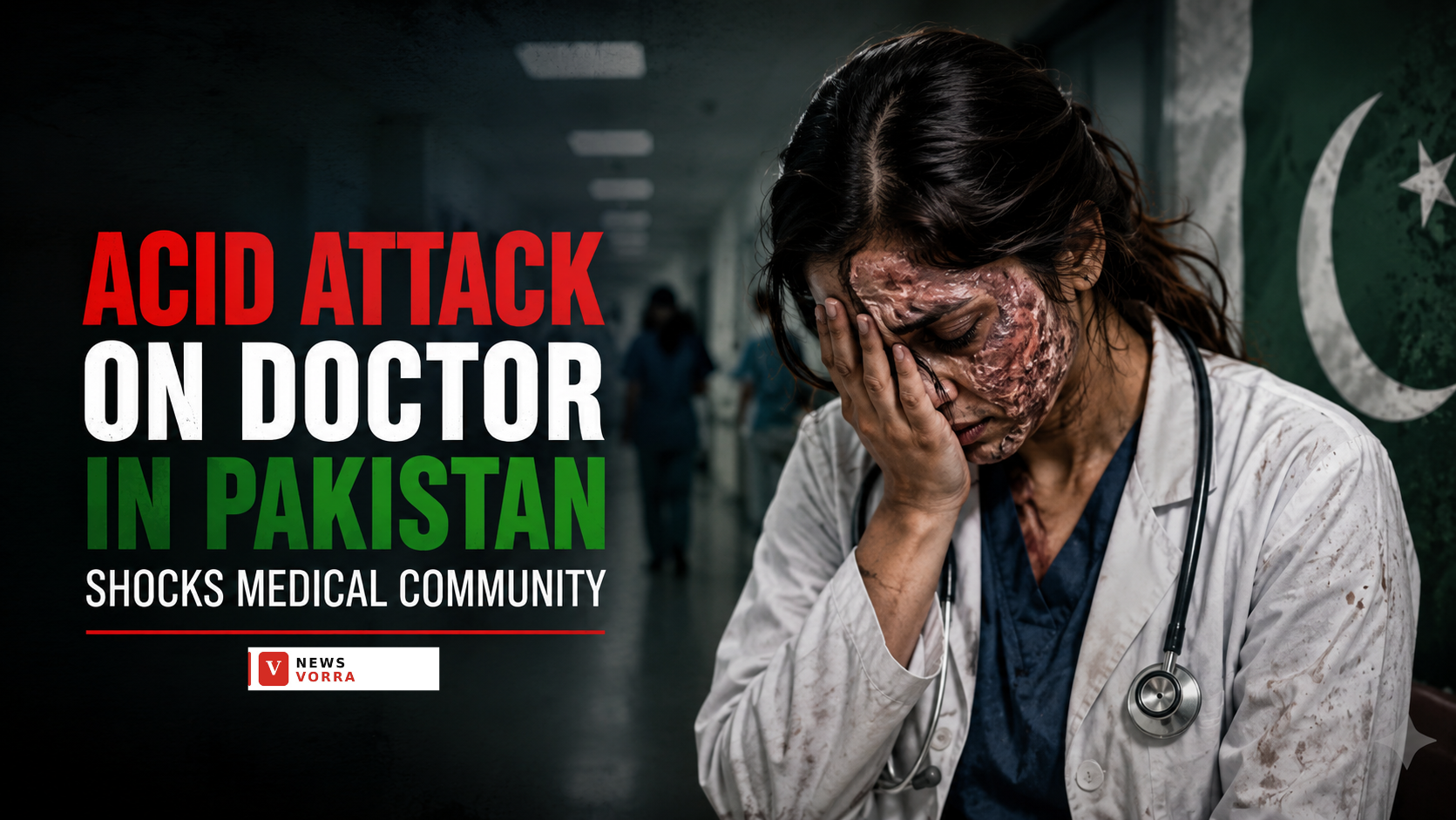
Acid Attack on Doctor in Pakistan Leaves Medical Community in Shock
A hospital ward turned into a crime scene on 5 June 2026, when a young female doctor was targeted with acid inside one of Balochistan’s largest public hospitals — an attack that has since shaken Pakistan’s entire healthcare sector.
What Happened at Civil Hospital Quetta
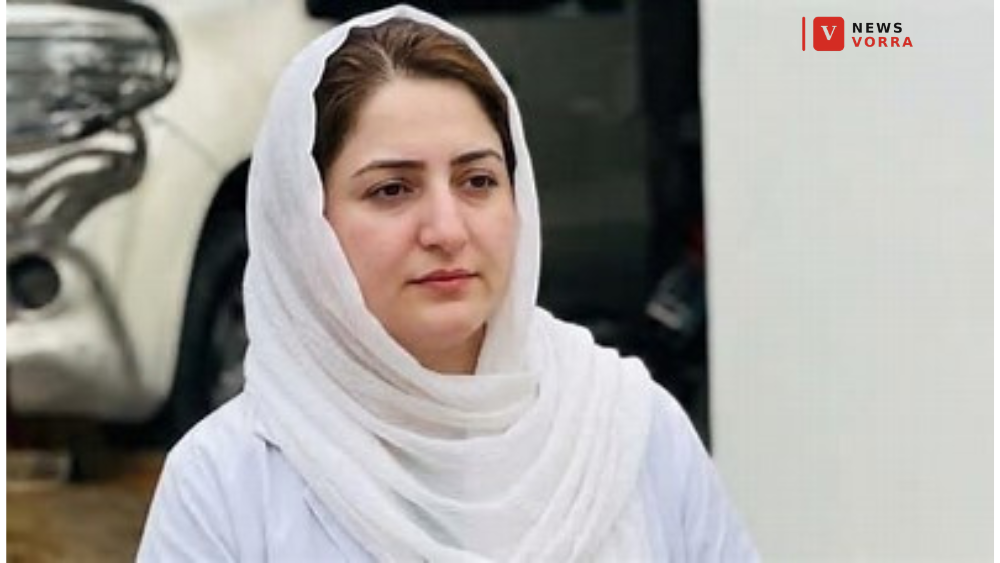
Dr Mahnoor Nasir, a 29-year-old postgraduate trainee, was seriously injured when acid was thrown at her while she was on duty at Civil Sandeman Hospital in Quetta. The incident did not happen in a dark corridor or after hours — it happened in broad daylight, inside a facility meant to be a place of healing.
CCTV footage seen by Arab News showed the accused knocking on the door of Dr Mahnoor’s room before carrying out the assault. The footage, which was widely circulated online, added to the public horror surrounding the case.
Hospital officials confirmed that Dr Mahnoor was allegedly attacked by a fellow employee after she reportedly rejected his advances. The motive, according to investigators, appeared to be personal.
The Suspect: A Hospital Employee
Officers killed the suspected perpetrator, Humayun Shah, a lift operator at the facility, at a bus station as he tried to escape. His death came within hours of the attack, though it has done little to settle the deep anger that has followed.
Police registered a First Information Report (FIR) at Civil Lines police station against Humayun Shah under the relevant provisions of the Pakistan Penal Code. A formal criminal investigation was underway, confirmed Quetta’s police inspector general Imran Shaukat.
The fact that a hospital staff member was able to bring acid into the building and carry out the attack without being stopped has raised serious questions about internal security systems at public hospitals.
Dr Mahnoor’s Condition and Treatment
The attack caused burns to seven per cent of Dr Mahnoor’s body, according to the provincial chief minister’s office. Other reports have placed the figure higher.
She was initially treated in Quetta before being airlifted to Karachi for specialised care at Aga Khan University Hospital. Doctors attending to her confirmed her condition was stable, though her recovery is far from simple.
She may require a skin transplant abroad, said Shahid Rind, spokesman for the chief minister of Balochistan province. Her family and colleagues are keeping close watch as her treatment continues.
Doctors Strike: OPDs Shut Across Quetta
The attack did not go unanswered. Within days, Quetta’s public hospitals were operating at reduced capacity as doctors walked off the job.
The Young Doctors Association (YDA) announced an indefinite strike, suspending outpatient departments and non-emergency services across government hospitals, while emergency and critical care services continued to operate.
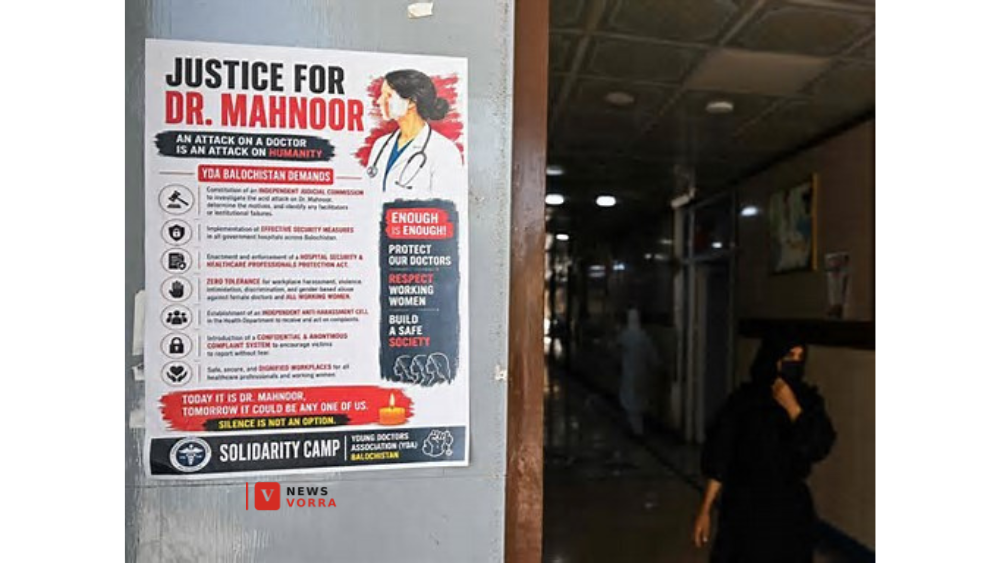
Members of the association stopped work and protested at the hospital where the attack took place, with dozens sitting beneath a banner that read “Justice for Dr Mahnoor.” The protest drew significant media attention and public solidarity.
The YDA said it would continue the strike from non-emergency care until demands for better security and a thorough investigation were met. It is a rare but firm stance from Pakistan’s junior doctors, who rarely resort to full work stoppages.
“A Catastrophic Security Failure” — YDA Speaks Out
The Young Doctors Association did not mince words in its condemnation.
Hai Baloch, chairman of the Balochistan branch of the YDA, told AFP: “The incident took place due to insufficient security arrangements in the hospital, and it should thoroughly be investigated how a lift operator brings acid and throws it on a lady doctor in daylight.”
His statement points directly at institutional failure. The accused was not an outsider who slipped through — he was employed by the hospital itself. That detail has fuelled demands not just for justice in this specific case, but for a complete review of how public hospitals screen and manage their non-medical staff.
Fear Among Female Doctors: A Deeper Crisis
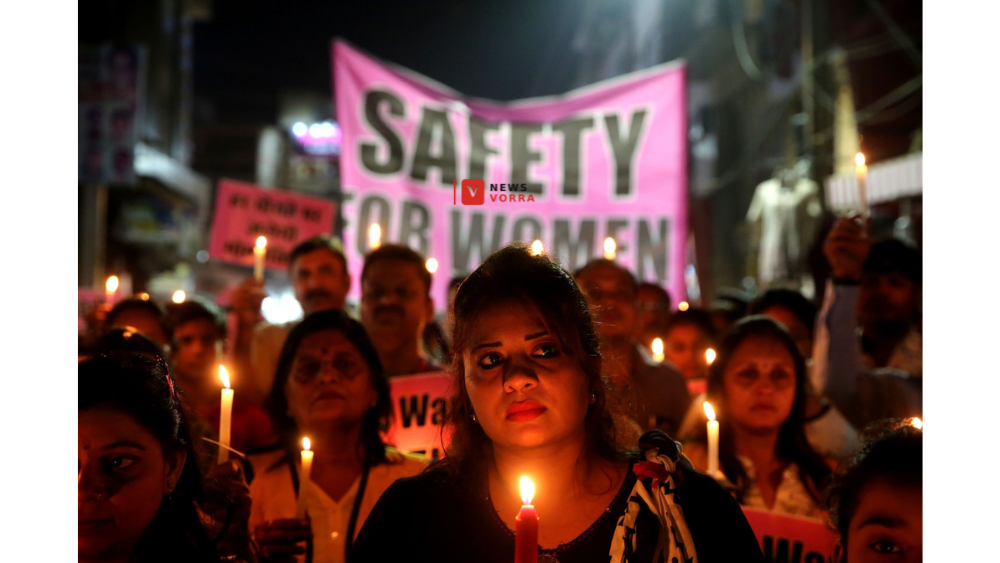
This case has exposed a wider problem that Pakistan’s medical community has long discussed privately but rarely addressed publicly.
Quetta-based doctor Shazia Khapulwak told AFP: “Female doctors and paramedics are in a state of fear of being harassed, raped, subjected to violence in these hospitals.” That fear, she and others argue, is not new — this attack has simply brought it into the open.
Surveys suggest around a third of women drop out of the medical profession after graduating in Pakistan, despite outnumbering men in medical schools. Workplace harassment and safety concerns are regularly cited among the reasons.
Balochistan-based doctor Zeenat Shawani told AFP: “It is a tragic incident but will have negative effects on female education, as when the hospitals are not safe, who will dare to send their daughters for medical practice and education.”
That question carries weight in a country already facing a growing shortage of qualified medical professionals.
Pakistan’s Acid Attack Laws: On Paper, Not Always in Practice
Pakistan has legislation in place targeting acid violence. The Acid Control and Acid Crime Prevention Act, passed in 2011, criminalises acid attacks and provides for penalties including life imprisonment. Yet attacks continue to occur, and convictions remain inconsistent.
While Pakistan has criminalised acid attacks — which often target women — with heavy penalties, the YDA decried a “catastrophic security failure” in this case. The law, critics argue, has not been matched by enforcement or prevention on the ground.
Rights groups have pointed out that many acid attack survivors face long, difficult roads to justice, especially in provinces where institutional capacity is stretched thin. The attack on Dr Mahnoor has renewed calls for the law to be applied swiftly and without exception.
Key Facts Box
| Detail | Information |
|---|---|
| Victim | Dr Mahnoor Nasir, 29-year-old postgraduate trainee |
| Date of Attack | 5 June 2026 |
| Location | Civil Sandeman Hospital, Quetta, Balochistan |
| Suspect | Humayun Shah, lift operator at the hospital |
| Suspect’s Fate | Killed by police while attempting to flee |
| Injuries | Burns to face and body; approximately 7–13% of body affected |
| Current Treatment | Aga Khan University Hospital, Karachi; possible skin transplant abroad |
| Strike Action | YDA indefinite strike on OPDs and non-emergency services |
| FIR Filed | Yes — Civil Lines police station, Quetta |
People Also Ask
Who attacked Dr Mahnoor Nasir in Quetta?
The suspected attacker was Humayun Shah, a lift operator employed at Civil Sandeman Hospital. He was killed by police at a bus station as he attempted to flee after the attack.
What did the Young Doctors Association do after the acid attack?
The YDA announced an indefinite strike across government hospitals in Quetta, suspending outpatient departments and non-emergency services. Doctors also staged protests at the hospital, demanding enhanced security and a high-level investigation.
Is acid attack a crime in Pakistan?
Yes. Pakistan criminalised acid attacks under the Acid Control and Acid Crime Prevention Act 2011, with penalties including life imprisonment. However, rights groups continue to highlight gaps between legislation and enforcement.
What condition is Dr Mahnoor Nasir in?
As of the latest reports, her condition is described as stable. She was airlifted to Aga Khan University Hospital in Karachi for specialist treatment and may require a skin transplant abroad.
Why did doctors go on strike after the attack?
The YDA condemned the attack as a catastrophic security failure and launched a strike demanding better protection for healthcare workers, a full investigation, and accountability for those responsible for hospital security.
What Happens Next
The Balochistan government has acknowledged the gravity of the incident. A spokesperson for the chief minister’s office confirmed awareness of Dr Mahnoor’s condition and ongoing treatment. Whether formal accountability will extend to hospital administrators — not just the attacker — remains to be seen.
READ MORE: Spain’s FM Brutally Condemns Taliban’s 5-Year War on Afghan Women
The YDA has made clear it will not stand down until concrete measures are in place. Pakistan’s medical community is watching closely, and so is the public.
The acid attack on a doctor in Pakistan has made one thing unavoidably clear: institutional reform of hospital security is not optional. For the thousands of female medical professionals who show up to work in public hospitals every day, it is a matter of physical safety.
Final Thought!
The attack on Dr Mahnoor Nasir is not an isolated incident. It is a reflection of structural failures — in security, in accountability, and in the protection of women in professional spaces.
Pakistan’s doctors are striking not just for one colleague but for a system that has left too many women vulnerable for too long. The government must respond with more than condemnation. It must act.
What are your thoughts on hospital safety for women in Pakistan? Share this article and join the conversation.
