


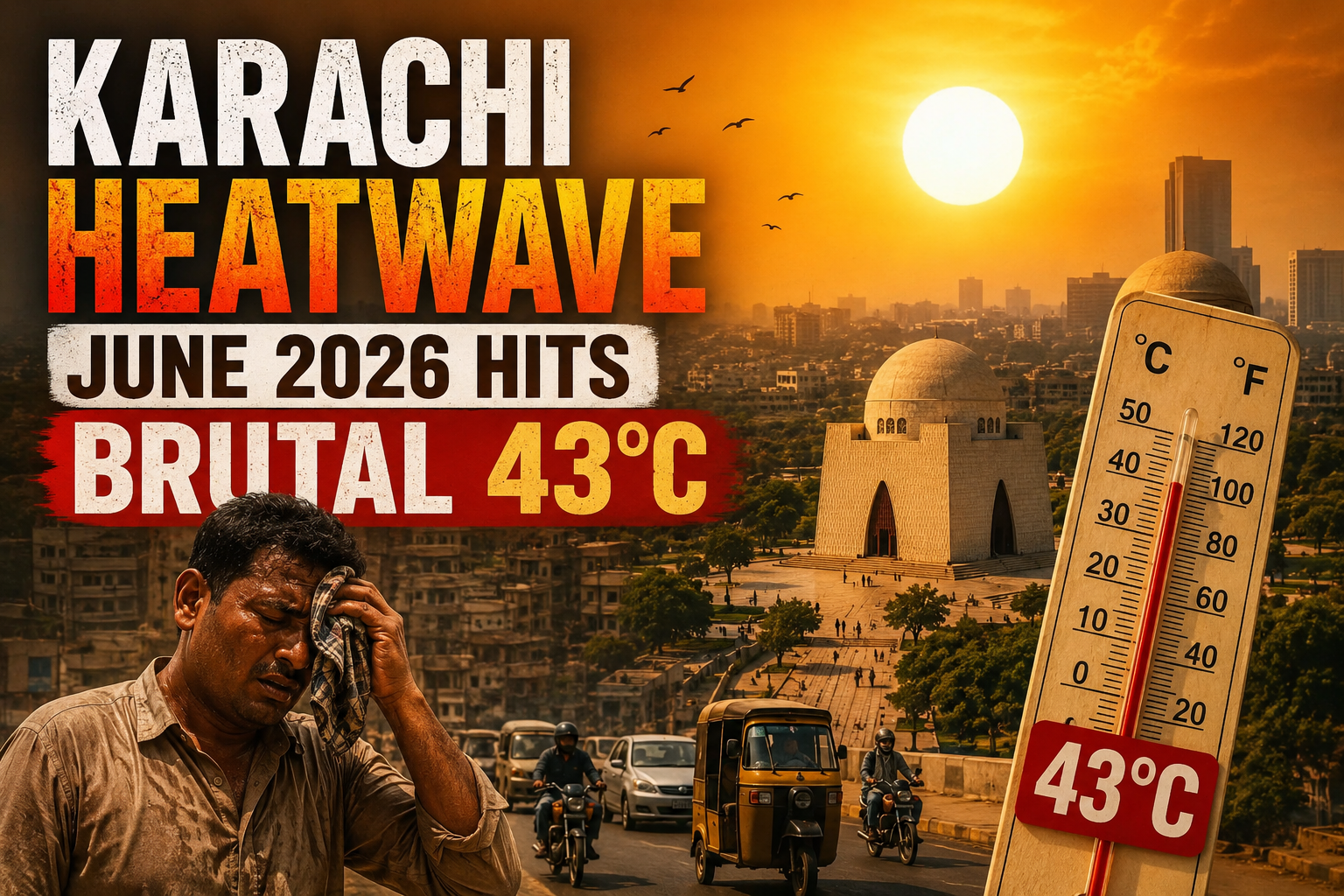
Karachi Heatwave June 2026: City Bakes as Mercury Climbs to 43°C
Karachi is sweltering. From 8 to 12 June 2026, Pakistan’s largest city has been locked in a fierce heatwave, with the Pakistan Meteorological Department (PMD) recording daytime highs of up to 43°C — a level that health officials say poses a serious risk to life, especially for the city’s most vulnerable residents.
The warning did not come without notice. The PMD issued a formal heatwave alert days in advance, but for millions of Karachis who depend on unreliable power supply and live in heat-absorbing concrete buildings, the forecast was more than just a weather update. It was a signal to brace for one of the most uncomfortable, and potentially dangerous, weeks of the year.
PMD Issues Formal Alert as High-Pressure System Builds
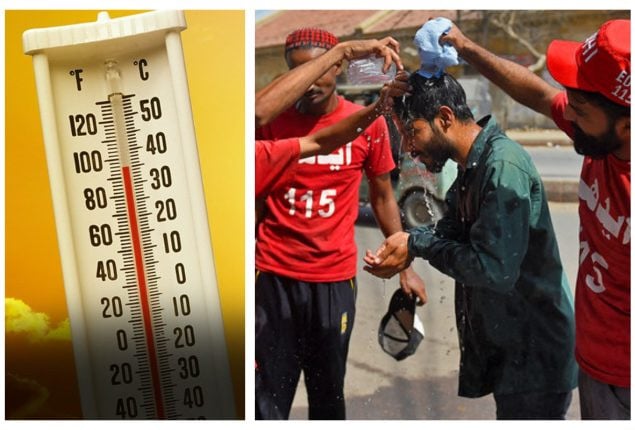
The PMD warned that a high-pressure weather system strengthening in the upper atmosphere would drive temperatures between 38°C and 43°C across the city from 8 to 12 June, with nighttime temperatures also remaining unusually high — offering little relief even after sunset.
Beyond Karachi, the PMD’s warning covered wider Sindh and Balochistan, where temperatures in some areas were expected to reach as high as 48°C to 51°C, while parts of Punjab faced readings between 44°C and 48°C.
READ MORE: Acid Attack on Dr Mahnoor in Pakistan Shocks Medical Community 2026
What made this heatwave particularly punishing was not just the temperature reading on the thermometer. Humidity levels in Karachi hovered around 72 percent, making the weather feel considerably more intense than the recorded figures suggest. Sea breezes at around 15 kilometres per hour were simply not strong enough to cut through the moisture-laden air.
The “Feels Like” Factor: Heat Index Touches 49°C
Raw temperature figures only tell part of the story. Karachi’s feels-like temperature touched 49°C on Wednesday as humidity dramatically intensified heatwave conditions, with the Met Office confirming the extreme heat was expected to persist through June 12.
On one particularly brutal afternoon, weather data showed the actual temperature reaching 37°C while humidity of 52–56 percent pushed the heat index to 44°C — conditions the PMD classified as potentially hazardous for anyone spending prolonged time outdoors.
For outdoor workers — rickshaw drivers, construction labourers, street vendors — these numbers are not abstract. They represent hours spent under a sun that feels merciless.
Who Is Most at Risk During Extreme Heat?
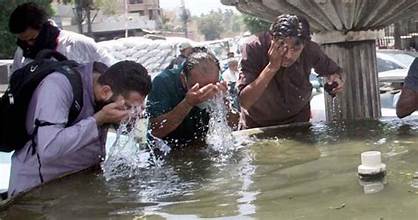
Health authorities and meteorologists have been consistent in flagging the same groups as being most exposed to harm during the Karachi heatwave June 2026:
- Elderly residents — reduced ability to regulate body temperature
- Young children — especially infants and toddlers in poorly ventilated homes
- Outdoor and daily-wage workers — long hours of direct sun exposure with no shade
- People with pre-existing conditions — particularly heart, kidney, and respiratory patients
- Residents in low-income areas — frequent power outages mean no fans or air conditioning
Medical experts have noted that Karachi’s unique vulnerabilities — a densely packed coastal city with a heavy concrete footprint, regular power outages, and humidity levels of 60–75 percent during pre-monsoon conditions — make summer heat events here uniquely dangerous compared to drier inland cities.
The risk of heatstroke rises sharply when the body cannot cool itself. Symptoms include confusion, rapid heartbeat, dry skin, and loss of consciousness — all signs that require immediate medical attention.
Power Outages Add to Public Suffering
The heatwave has collided with another chronic Karachi problem: load-shedding. Ongoing power outages further aggravated public hardship as businesses and residents continued to struggle under prolonged heatwave conditions.
For households that can afford air conditioning, frequent outages render the equipment useless for hours at a time. For those without it — the majority of Karachi’s working-class population — the heat inside cramped homes can be just as dangerous as the heat outside.
This is not a new problem. Each summer, the same cycle plays out: temperatures spike, electricity demand surges, the grid buckles, and the most disadvantaged bear the greatest burden.
Relief Efforts: Welfare Organisations Step In
With government infrastructure stretched thin, civil society organisations moved quickly. Alkhidmat Karachi launched a citywide heat relief initiative, establishing 13 emergency camps across major commuter routes and densely populated neighbourhoods including North Karachi, New Karachi, Nazimabad, Lyari, Orangi Town, and Model Colony.
The camps provided drinking water, first aid, and cooling facilities for people struggling with the scorching temperatures across the city.
The PDMA (Provincial Disaster Management Authority) also activated its heatwave standard operating procedures, coordinating with welfare trusts including the Edhi Foundation, Pakistan Red Crescent, and Chhipa Welfare to ensure coverage across the city’s most at-risk zones.
What the Climate Science Says
Karachi’s recurring heatwave crisis is increasingly difficult to separate from the broader climate picture. Climate experts have noted that extreme heat events are becoming more frequent, with the World Weather Attribution group finding that human-induced climate change has significantly increased the likelihood of heatwaves across the South Asian region.
READ MORE: Spain’s FM Brutally Condemns Taliban’s 5-Year War on Afghan Women
Looking ahead, the PMD has forecast below-normal rainfall and above-normal temperatures for the June to August period, with shifting climate patterns including El Niño conditions playing a role.
For a city of over 20 million people, that outlook is not reassuring.
Key Facts — Karachi Heatwave June 2026
| Detail | Data |
|---|---|
| Heatwave period | 8–12 June 2026 |
| Peak daytime temperature | Up to 43°C |
| Feels-like temperature | Up to 49°C |
| Humidity levels | 52–72% |
| PMD alert status | Formal heatwave warning issued |
| Relief camps (Alkhidmat) | 13 locations across Karachi |
How to Protect Yourself During a Heatwave
Authorities have consistently urged residents to avoid unnecessary outdoor activities, increase water intake, and keep heads covered when exposed to direct sunlight — advice particularly critical for children, elderly people, and outdoor workers.
A few practical steps that can make a real difference:
- Drink water regularly — do not wait until you feel thirsty
- Stay indoors between 11am and 4pm — peak heat hours
- Wear loose, light-coloured clothing to reflect heat
- Check on elderly neighbours — isolation is a major risk factor
- Know the signs of heatstroke — confusion, no sweating, rapid pulse
- Use wet cloths or cold water to cool down if feeling unwell
People Also Ask
Why is Karachi so hot in June 2026?
A high-pressure system over the upper atmosphere has suppressed normal weather patterns, trapping heat across Sindh. Combined with high pre-monsoon humidity and Karachi’s dense urban landscape, this has created conditions significantly above seasonal norms.
What is the highest temperature recorded in Karachi this heatwave?
Daytime temperatures reached up to 43°C, while the heat index — factoring in humidity — pushed the feels-like reading to approximately 49°C.
What should I do during the Karachi heatwave?
Stay hydrated, avoid outdoor exposure during peak afternoon hours, keep children and elderly family members cool, and seek immediate help if anyone shows signs of heatstroke.
When will the Karachi heatwave end?
The PMD forecast the heatwave conditions to ease after 12 June 2026, though above-normal temperatures are expected to persist through the broader summer season.
Key Takeaways
- The PMD issued a formal heatwave warning for Karachi covering 8–12 June 2026
- Temperatures reached 43°C with a heat index of up to 49°C due to high humidity
- Outdoor workers, children, and the elderly face the greatest health risks
- Power outages have compounded the crisis for working-class households
- Alkhidmat Karachi set up 13 relief camps across the city
- Climate change is increasing the frequency and severity of such events
Karachi’s Heatwave Demands More Than Short-Term Relief
The Karachi heatwave June 2026 is not simply a weather event — it is a recurring public health emergency that exposes deep structural problems: an unreliable power grid, limited cooling infrastructure, and a rapidly warming climate that is making each successive summer harder to endure.
Welfare organisations and individual citizens have stepped up admirably. But lasting solutions — investment in climate-resilient infrastructure, reliable electricity, and coordinated early-warning systems — are long overdue.
Have you been affected by the heatwave in Karachi? Share your experience in the comments below. And if you found this article useful, share it with someone who needs to stay safe this summer.
