


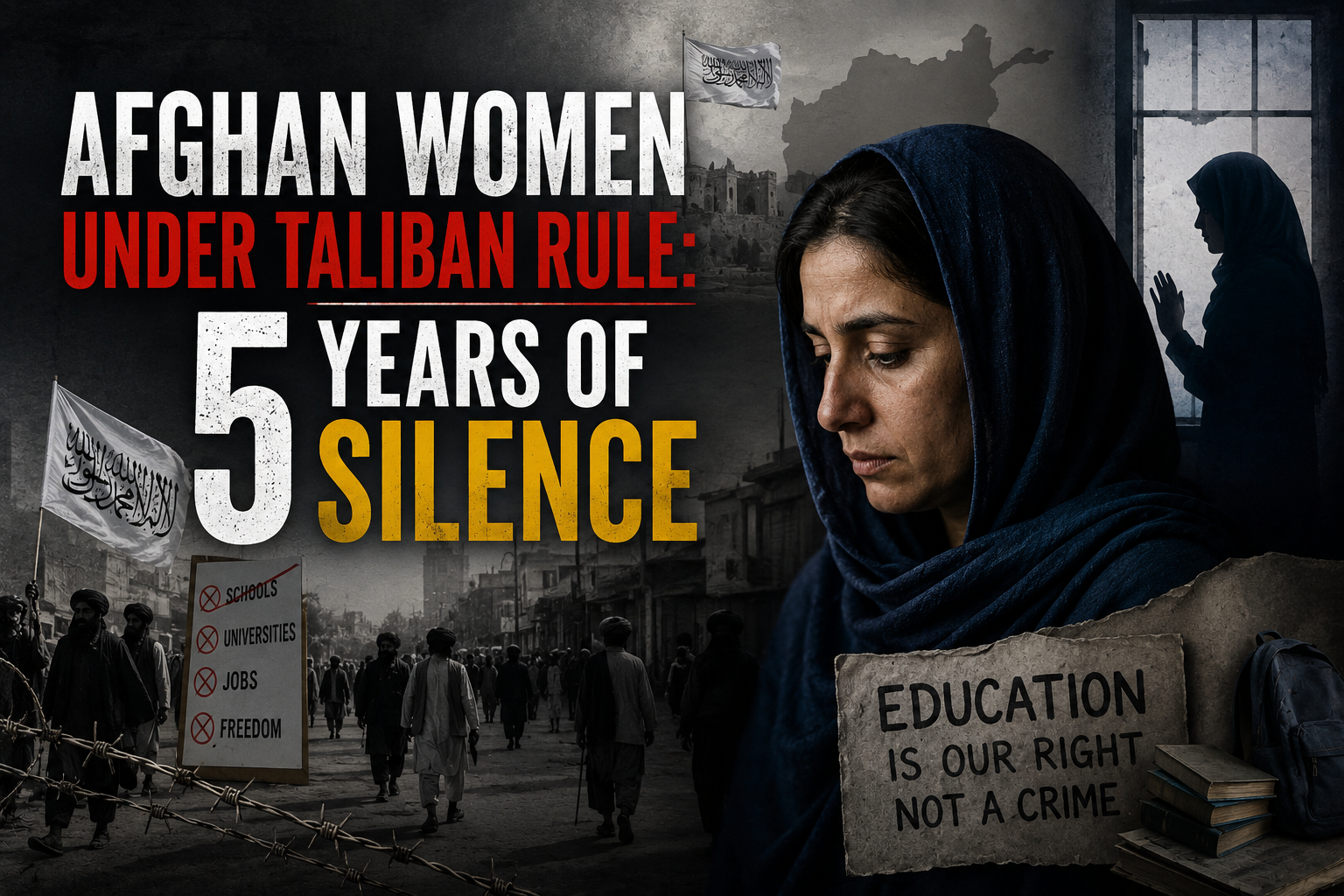
When the Taliban swept back into Kabul on 15 August 2021, millions of Afghan women watched their futures collapse in real time. Schools shut. Offices emptied. Women were told to go home — and many never came back out. Five years on, the picture has only grown darker.
Afghan women under Taliban rule are living through what human rights groups now describe as gender apartheid — a systematic erasure from public life unlike anything seen in the modern world.
This is not just a political story. It is the story of a generation of girls who should be in universities, in newsrooms, in hospitals. Instead, they are behind closed doors, in silence.
How It All Fell Apart So Quickly
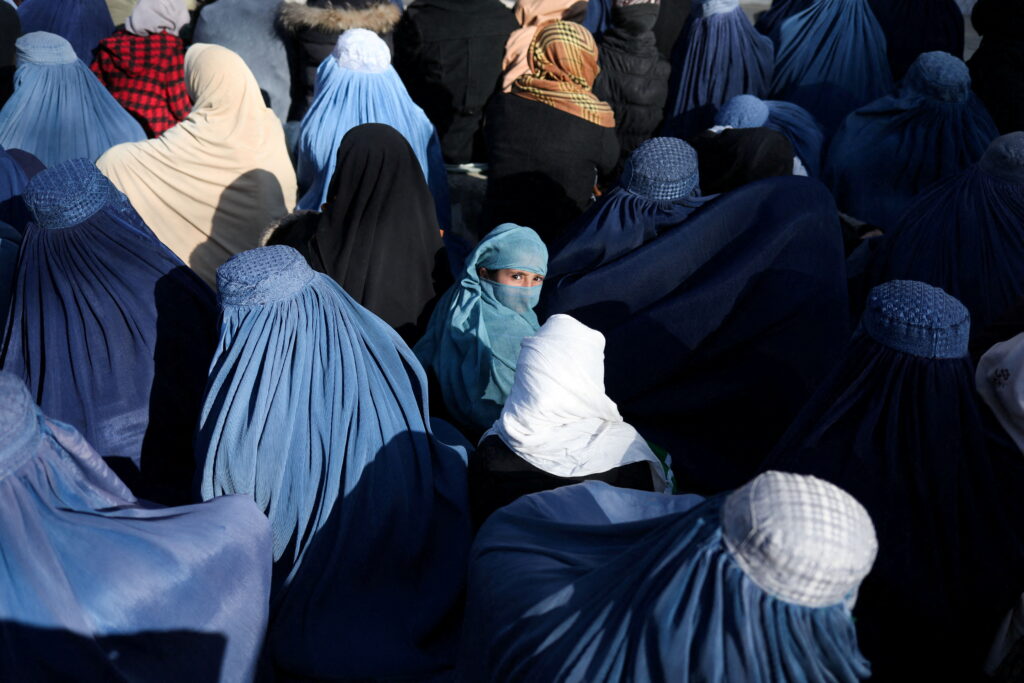
The speed of the Taliban’s takeover shocked even seasoned observers. Within days of the US military withdrawal, a government that had existed for two decades simply dissolved. Women who had served as judges, ministers, journalists, and professors were suddenly told their careers were over.
By September 2021, the Taliban had announced their first cabinet — not a single woman in it. Within weeks, secondary schools for girls were ordered shut. Within months, universities followed. The rollback was swift, deliberate, and total.
Many Afghan women spent the early months hoping it was temporary. It was not.
Education: A Door Slammed Shut
Perhaps nowhere has the damage been more visible than in education. In 2021, Afghanistan had over 100,000 girls enrolled in universities. By the end of 2022, that number had dropped to near zero following a formal ban on women’s higher education issued in December of that year.
Girls above sixth grade were barred from schools in most provinces almost immediately after the Taliban returned. In some areas, local commanders defied central orders and kept girls’ schools open briefly — but those windows closed quickly under pressure from Kabul.
The consequences are already generational:
- An estimated 1.4 million girls are currently out of secondary school in Afghanistan.
- Girls aged 12 and above in most provinces have not attended a formal classroom in nearly five years.
- Underground schools and home-based learning networks have emerged, but they operate under constant risk of discovery and punishment.
Educators who run these secret classes do so knowing they could face arrest. Students attend knowing their families could be targeted. And yet they continue — because for many Afghan girls, learning is the only act of resistance left.
Work, Movement, and the Right to Simply Exist
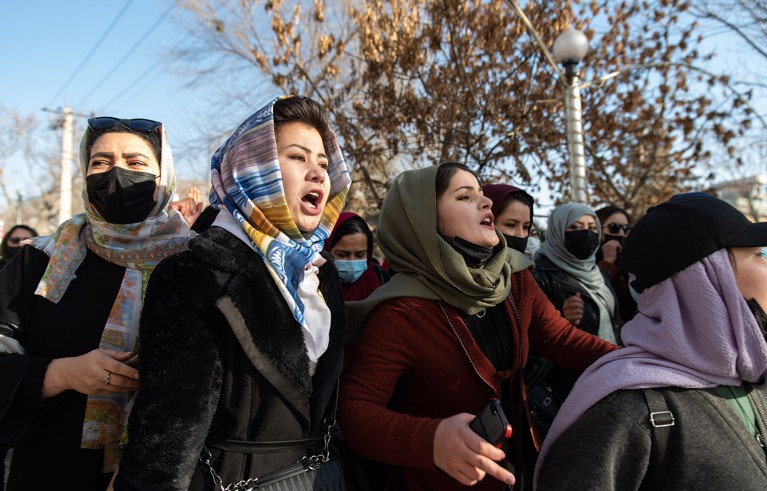
The Taliban’s restrictions on Afghan women under Taliban rule extend far beyond education. Since 2021, a series of decrees has effectively dismantled women’s participation in public life:
- Women cannot work for most national and international NGOs.
- Female staff at the United Nations were banned from their offices in April 2023.
- Women are required to have a male guardian — a mahram — to travel distances over 72 kilometres.
- Parks, gyms, and public baths have been declared off-limits for women in many areas.
- Women’s voices are banned from public radio in some provinces.
- Women cannot appear on television dramas or appear on screen without full coverage.
A 2023 decree also made it illegal for women to look at men who are not their relatives. Another prohibited women from speaking loudly in public spaces.
The cumulative effect is not just restriction — it is invisibility. Afghan women have been systematically removed from the visual and social landscape of their own country.
Mental Health and the Invisible Crisis
What is less reported, but equally devastating, is the mental health catastrophe unfolding inside Afghan homes. Studies conducted by researchers working remotely with contacts inside Afghanistan have found alarming rates of depression, anxiety, and suicidal ideation among Afghan women and girls.
One report published in late 2024 found that over 70 percent of Afghan women surveyed reported symptoms consistent with severe depression. Many described a profound sense of purposelessness — the feeling that their futures had simply been cancelled.
“I had plans. I was going to become a doctor,” one young woman from Kabul told researchers through an anonymised interview. “Now I sit at home and wonder what the point of anything is.”
For women who had professional careers before 2021 — lawyers, doctors, academics — the psychological toll has been particularly severe. Identity built over years of work and education was stripped away almost overnight.
International Response: Words Without Consequence
The international community has not been silent — but it has not been effective either.
The United Nations has passed multiple resolutions condemning the Taliban’s treatment of women. The International Criminal Court opened a preliminary examination into potential crimes against humanity. Several countries have formally labelled the Taliban’s policies as gender apartheid — a designation that carries moral weight but, so far, limited legal consequence.
Sanctions remain in place against Taliban leadership. But Afghanistan is one of the poorest countries in the world, aid-dependent and economically shattered. Sanctions that target the Taliban often end up hurting ordinary Afghans more — including the women they are meant to protect.
Some countries have offered asylum to Afghan women at particular risk. Germany, Canada, and the UK have processed thousands of cases. But the numbers accepted remain a fraction of those who need protection, and the process is painfully slow for those still inside the country.
Diplomatic engagement with the Taliban continues quietly, largely because the world still needs Afghanistan’s cooperation on counter-terrorism and regional stability. Critics argue this pragmatism has come at the direct expense of Afghan women’s rights.
Resistance: Quiet, Persistent, Dangerous
Despite everything, Afghan women have not disappeared entirely. They have simply been pushed underground.
Secret schools continue to operate across Kabul, Herat, and Mazar-i-Sharif. Women’s rights activists work from exile, documenting abuses through encrypted channels and publishing reports that reach international audiences. Some women inside Afghanistan maintain social media presences under pseudonyms, sharing glimpses of daily life that the Taliban would prefer the world not see.
READ MORE! Spain’s FM Brutally Condemns Taliban’s 5-Year War on Afghan Women
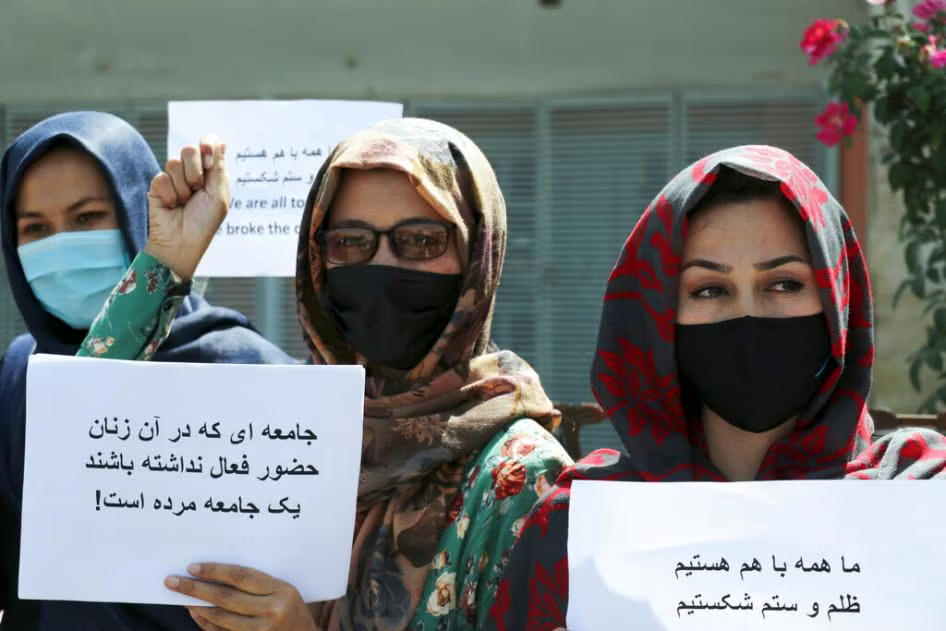
In 2023, a group of Afghan women staged a rare public protest in Kabul, briefly holding signs before being dispersed by Taliban security forces. Several were detained. The protest lasted under ten minutes — but photographs circled the globe.
“They want us to disappear quietly,” one activist said from exile. “We refuse.”
The underground economy of resistance — secret lessons, coded communication, clandestine networks — represents something the Taliban has not been able to fully crush: the determination of Afghan women to exist on their own terms.
What Five Years Has Taught the World
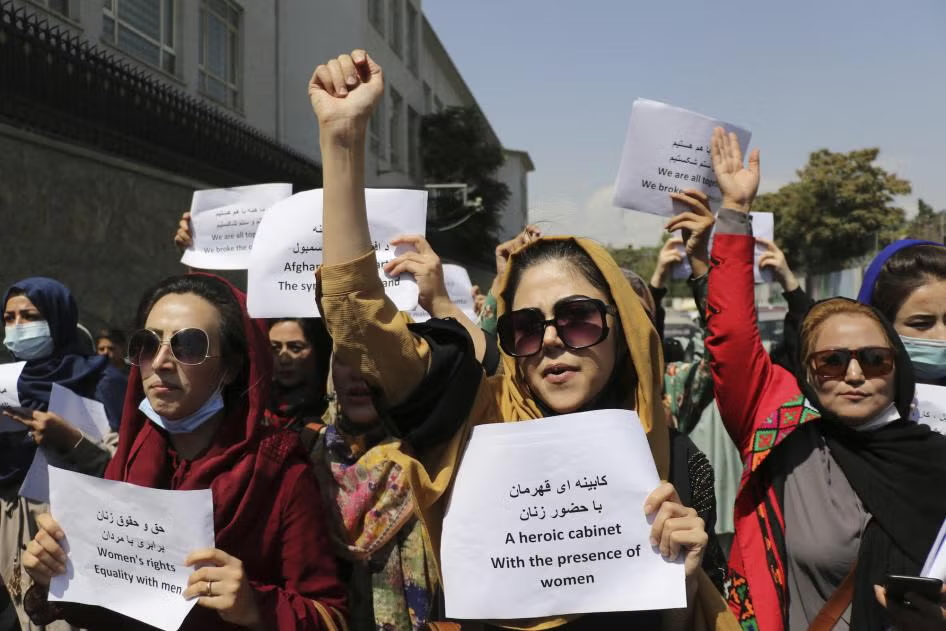
The situation of Afghan women under Taliban rule has become a test case for how the international community responds when an entire gender is systematically stripped of its rights.
The answer, so far, has been: inadequately.
Statements are issued. Reports are published. Conferences are held. But the girls who were in sixth grade when the Taliban returned are now young women who have never sat in a proper classroom. They have spent five of what should have been their most formative years at home, their potential quietly going to waste.
The cost of this — to Afghanistan, to the region, to the world — will be measured in lost doctors, engineers, teachers, and leaders. It will be felt for decades.
People Also Ask
How many Afghan women have lost their jobs under the Taliban?
Estimates suggest hundreds of thousands of women lost formal employment between 2021 and 2022 alone, as the Taliban removed women from government positions and banned them from most NGO roles.
Are girls allowed to go to school in Afghanistan in 2026?
As of 2026, girls above grade six remain barred from attending school in most Afghan provinces under Taliban policy, though underground and home-based schooling networks continue to operate informally.
Has the international community done enough for Afghan women?
Human rights organisations have broadly criticised the international response as insufficient, noting that diplomatic engagement with the Taliban has prioritised stability over women’s rights outcomes.
What is gender apartheid and does it apply to Afghanistan?
Gender apartheid refers to a system of institutionalised discrimination based on gender. Several governments and legal scholars have argued that Taliban policies in Afghanistan meet the threshold for this designation.
Final Thought!
Five years of Taliban rule have transformed Afghanistan into one of the most restrictive environments for women anywhere on Earth. The rights that millions of Afghan women built over two decades — to study, to work, to move freely, to speak — have been dismantled with calculated precision.
Afghan women under Taliban rule are not passive victims. They are resisting, teaching, documenting, and surviving in conditions that most of us cannot imagine. But resistance without international support can only go so far.
The world has watched for five years. The question now is whether watching is enough — or whether the cost of continued silence is a price the international community is willing to make Afghan women pay alone.
What do you think the international community should do differently? Share your views in the comments below, or follow NewsVorra for continued coverage of international affairs.
