


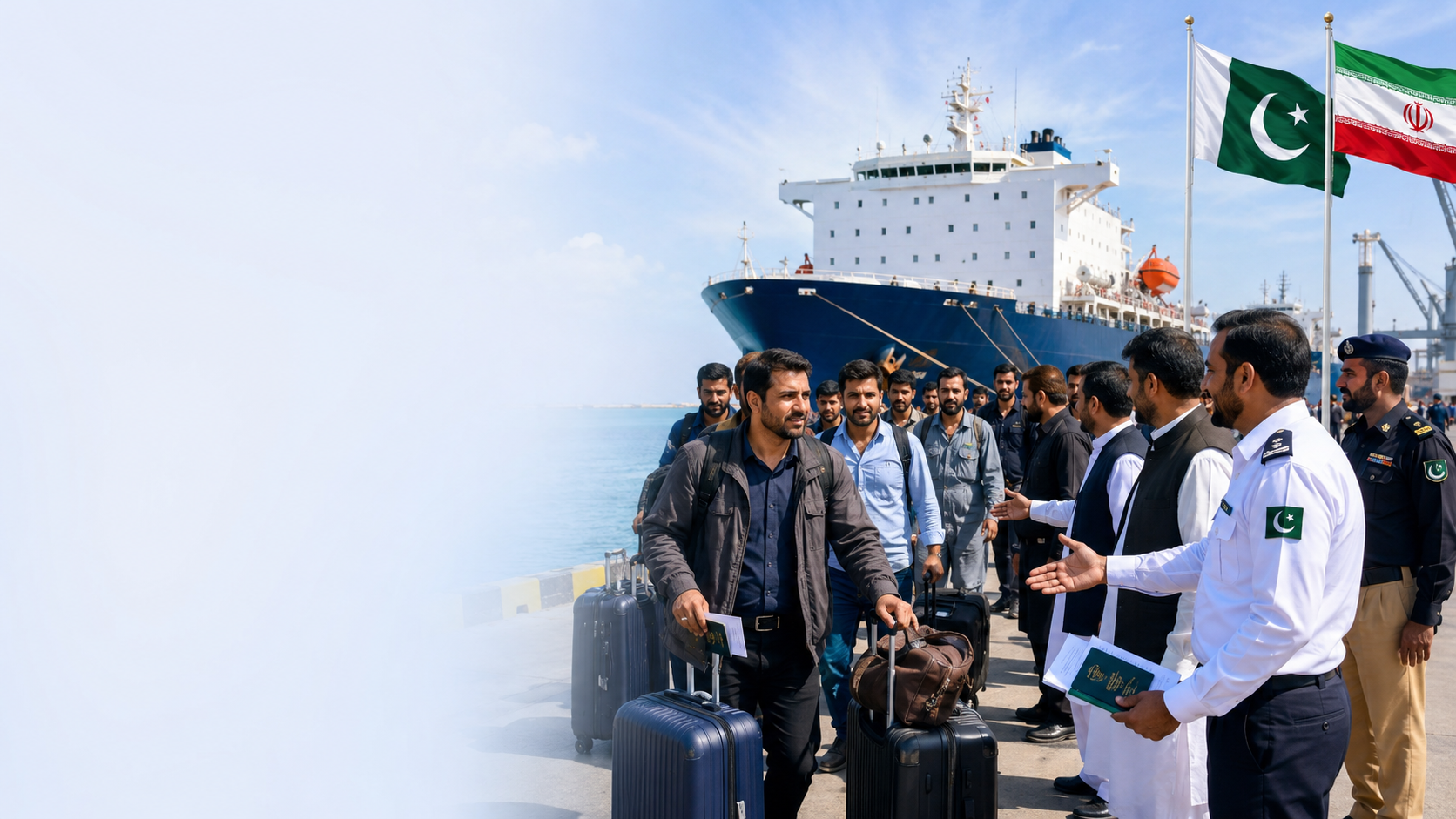
In a quiet but significant act of diplomacy, Pakistan has successfully facilitated the repatriation of 22 Iranian crew members back to their homeland through Karachi — a move that has drawn attention for both its humanitarian dimension and its broader signal about Pakistan-Iran relations.
The Deputy Prime Minister’s office coordinated the operation, confirming the safe return of the sailors after what had been a period of uncertainty for the crew stranded on Pakistani shores.
Who Were These Crew Members and How Did They End Up in Pakistan?
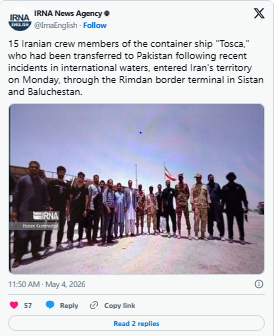
The 22 individuals were maritime crew members of Iranian nationality whose vessel had docked — or become stranded — in Pakistani waters.
While the full circumstances of their stay have not been officially detailed, sources familiar with the matter indicate the crew had been in Pakistan for a considerable period, unable to return due to a combination of logistical and bureaucratic challenges.
Maritime situations of this kind are not uncommon in the Arabian Sea region, where vessels from Iran, Pakistan, Oman, and other neighbouring countries regularly operate in shared waters.
However, the length of their stay and the formal involvement of Pakistan’s Deputy Prime Minister suggests this case required diplomatic handling at a senior level — not just routine port administration.
DPM Steps In: A Diplomatic Push That Made the Difference
The Deputy Prime Minister’s office played a central role in ensuring the crew’s safe passage home. According to official statements, Pakistan coordinated with Iranian diplomatic channels and relevant maritime authorities to clear all necessary documentation and arrange a formal repatriation process.
This kind of government-to-government engagement matters. For crew members away from home for an extended period — often without adequate access to their consulate or legal support — a direct intervention by senior officials can be the difference between months more of waiting and finally making it home.
The DPM’s involvement also signals that Islamabad views the smooth resolution of this case as important for the broader Pakistan-Iran bilateral relationship, which has seen its share of tensions in recent years but has also been marked by steady diplomatic engagement.
Pakistan-Iran Relations: Reading Between the Lines
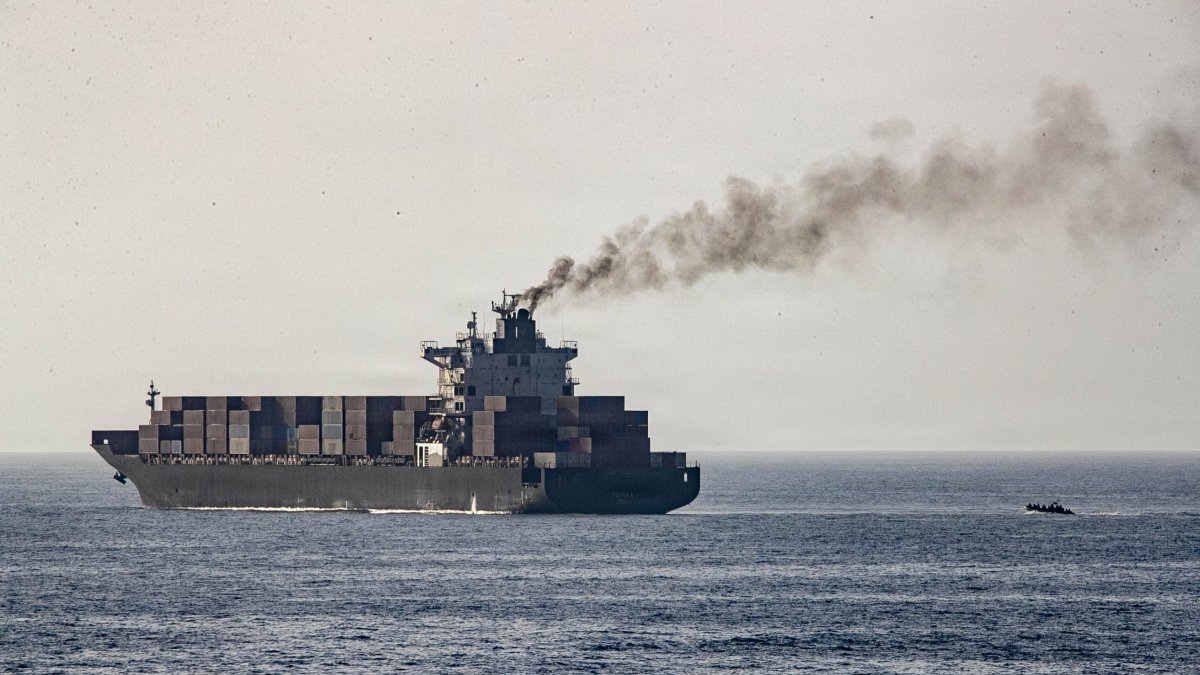
The Pakistan repatriation of Iranian crew members comes at a time when Islamabad and Tehran are navigating a complex but carefully managed relationship. Both nations share a long border, deep cultural and religious ties, and a history of economic cooperation — particularly around trade corridors and energy linkages.
At the same time, regional dynamics have made the relationship sensitive. Pakistan has had to balance its ties with Iran against its relationships with Gulf states and Western partners, particularly given the ongoing pressures on Iran due to international sanctions.
It is in this context that seemingly small acts of bilateral goodwill — like facilitating the return of 22 crew members — carry a weight that goes beyond the numbers. These gestures help maintain functional working channels even when larger diplomatic questions remain unresolved.
Karachi Port: The Operational Hub for the Return
The repatriation was routed through Karachi, Pakistan’s largest port city and its primary maritime gateway. This was a natural choice — Karachi has the infrastructure, the Iranian consular presence, and the logistical capacity to handle such an operation smoothly.
Karachi port authorities reportedly cooperated fully with the process, facilitating the departure documentation for the Iranian nationals. Local port officials confirmed the crew departed in good condition, with no reported incidents during the handover process.
For the crew members themselves, Karachi would have been a familiar urban environment — many Iranian sailors have passed through the city over the years given its position as a major hub in regional maritime trade.
What Does This Mean for Maritime Relations in the Region?
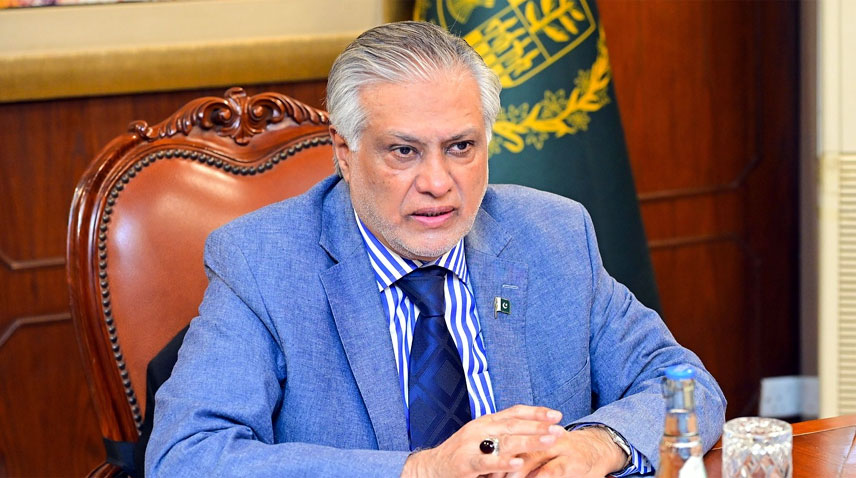
Beyond the immediate human interest story, the Pakistan repatriation of Iranian crew members points to something worth watching: the quiet, behind-the-scenes work that keeps regional maritime operations functioning.
The Arabian Sea and Persian Gulf are among the world’s busiest maritime corridors. Disputes over crew welfare, vessel detention, and maritime jurisdiction are common — and when they escalate, they can disrupt trade and create diplomatic friction. Pakistan’s willingness to step in at a senior governmental level and resolve this situation quickly sets a useful precedent.
Key takeaways from how this was handled:
- Senior diplomatic engagement matters: The DPM’s direct involvement accelerated what could have been a drawn-out consular process.
- Bilateral channels are functional: Despite regional tensions, Pakistan and Iran maintain working diplomatic lines that can be activated when needed.
- Karachi remains a critical hub: The port’s role in facilitating the return underlines its strategic importance for regional maritime affairs.
- Crew welfare is taken seriously: Pakistan’s actions here reflect a commitment to the basic principles of maritime law, which obligate nations to ensure the humane treatment of foreign sailors in distress.
A Human Story Behind the Headlines
It’s easy to reduce stories like this to diplomatic talking points, but it’s worth pausing on what repatriation actually means for the 22 people involved.
For maritime crew members — many of whom come from modest backgrounds and send remittances home to support families — being stranded in a foreign country, even a relatively friendly one, is a genuinely difficult experience.
Language barriers, unfamiliar legal systems, limited access to money, and the anxiety of not knowing when you’ll see your family again all take a toll.
READ MORE: Deadly Heat Crisis: Karachi Heatwave June 2026 Hits Brutal 43°C
The relief that comes with finally boarding a vessel or aircraft home is something that doesn’t show up in press releases. But it is real, and it is the human heart of this story.
Pakistan’s Growing Role in Regional Humanitarian Diplomacy
This episode is not an isolated one. In recent years, Pakistan has positioned itself as a country willing to play an active role in facilitating humanitarian outcomes in the region — from repatriation of nationals to mediating in low-level disputes between neighbouring countries.
Whether it is Pakistanis stranded abroad, Afghan nationals passing through during the crisis years, or now Iranian crew members needing safe passage home, Islamabad has repeatedly shown a pragmatic, solution-oriented approach to these situations.
That approach, largely driven by necessity given Pakistan’s complex neighbourhood, is increasingly seen as a quiet strength in Pakistan’s foreign policy toolkit — even when the country faces criticism on other fronts.
What Happens Next?
The 22 crew members are expected to return to their respective homes within Iran following their repatriation through Karachi. No further complications have been reported in their case.
On the diplomatic side, the successful handling of this matter is likely to be noted in bilateral discussions between Islamabad and Tehran. Small wins of this kind often serve as confidence-building measures — reminders to both sides that practical cooperation is possible even when bigger questions remain open.
For Pakistan’s maritime authorities and the DPM’s office, the focus will now return to other ongoing matters — but this case will remain on the record as an example of effective, humane coordination.
Final Thought!
The facilitation of Pakistan repatriation of Iranian crew members through Karachi is a story that may not dominate headlines for long, but it carries genuine significance — diplomatically, humanitarily, and as a reflection of Pakistan’s regional role.
Twenty-two people are home because two governments chose practical cooperation over bureaucratic delay. That’s the kind of quiet diplomacy that often matters most, even when it rarely gets the attention it deserves.
What do you think about Pakistan’s role in regional humanitarian diplomacy? Share your thoughts in the comments below.
People Also Ask:
Why were Iranian crew members stranded in Pakistan?
The crew members were stranded in Pakistan due to logistical and documentation challenges after their vessel docked in Pakistani waters. Pakistan’s DPM facilitated their formal repatriation.
Which port was used for the repatriation of Iranian crew?
The repatriation was carried out through Karachi, Pakistan’s largest port city and primary maritime hub.
What role did Pakistan’s DPM play in the crew repatriation?
Pakistan’s Deputy Prime Minister’s office coordinated with Iranian diplomatic channels and maritime authorities to clear documentation and arrange a safe, formal return for the 22 crew members.
How does this event affect Pakistan-Iran relations?
The successful repatriation is seen as a goodwill gesture that strengthens bilateral ties and shows that functional diplomatic channels exist between the two countries despite broader regional tensions.
Is Pakistan involved in other regional repatriation cases?
Yes, Pakistan has in recent years taken an active role in humanitarian repatriation efforts involving nationals from multiple countries, reflecting its position as a transit and diplomatic hub in the region.
